On this page
How Does Employee Satisfaction Impact Customer Outcomes?

Happy employees create a happy business. Employees are the face of your company, and their behavior and demeanor directly affect business success and growth. Employee satisfaction is closely tied to customer satisfaction, making it a strategic imperative that delivers tangible business benefits.
Quiet quitting has become a critical challenge, with nearly 59% of employees not fully engaged and 18% actively disengaged, significantly impacting productivity. A lack of engagement and motivation often pushes employees toward competitors, creating a financial burden since retaining employees is more cost-effective than recruiting new ones.
One of the most effective ways to address this issue is by giving greater importance to employee voices and responding proactively to their feedback.
What Is Employee Satisfaction?
Employee satisfaction refers to an employee’s overall happiness and contentment at work. It extends beyond job satisfaction to include whether employees feel encouraged, valued, and engaged in their workplace.
High workplace satisfaction creates a sense of accomplishment and increases long-term loyalty. Employee satisfaction is influenced by factors such as:
- Opportunities for growth and career development
- A positive work environment
- Effective work-life balance
- Job security
- Recognition and compensation
Google is a strong example of employee satisfaction in practice. By offering flexible working hours, wellness programs, and free meals, Google has built an employee-centric culture that supports innovation, professional development, and work-life balance. This approach has helped maintain low turnover and high employee engagement.
What Are the Benefits of High Employee Satisfaction?
Employee satisfaction is essential for the overall success and health of an organization. Employees want meaningful work, a supportive environment, collaborative leadership, and fair compensation. A loyal and motivated workforce delivers measurable business value.
How Does Employee Satisfaction Improve Performance and Productivity?
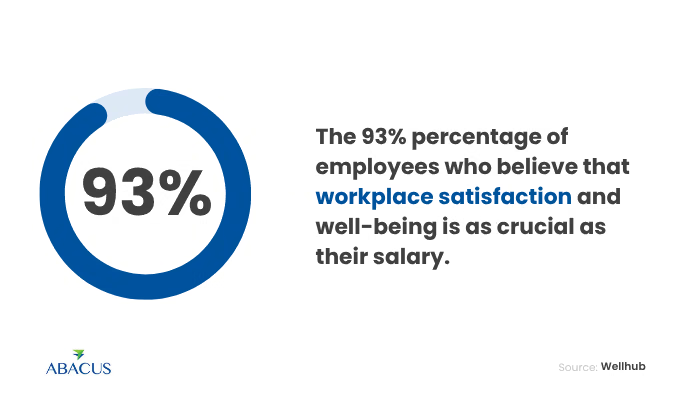
Workplace satisfaction and well-being matter deeply to employees, with 93% believing they are as important as salary. When employees enjoy their work, they are driven by purpose rather than obligation.
Employee satisfaction fuels dedication, engagement, and accountability. Satisfied employees are more motivated to achieve company goals and are less likely to miss work compared to stressed or disengaged employees.
How Does Employee Satisfaction Create a Positive Company Culture?
A positive company culture strengthens employee connection to the organization’s vision and values. Adobe promotes inclusivity and creativity through initiatives such as “Adobe Life” for work-life balance and “Check-In” for continuous feedback, along with extensive learning opportunities.
These culture-driven initiatives improve retention rates, employee satisfaction, and employer reputation, supporting long-term growth and innovation.
How Does Employee Satisfaction Improve Customer Loyalty and Satisfaction?
When employees are genuinely invested in their roles, their enthusiasm reflects in every customer interaction. From thoughtful recommendations to effective problem resolution, satisfied employees elevate the overall customer experience.
The strong correlation between employee satisfaction and customer satisfaction creates a powerful synergy. Employee satisfaction contributes to better brand reputation, reduced costs, and higher customer retention, acting as a catalyst for sustained business growth.
How Can Companies Improve Employee Satisfaction?

Organizations with satisfied and engaged employees are 21% more profitable and achieve 17% higher productivity than those with disengaged teams. Improving employee satisfaction begins with identifying dissatisfaction through tools like employee satisfaction surveys and addressing those issues strategically.
How Does Open Communication Improve Employee Satisfaction?
Creating a culture of open communication helps employees feel valued and heard. It allows them to share concerns and ideas that align with company goals.
Under CEO Satya Nadella, Microsoft transformed its traditionally hierarchical structure by fostering open dialogue. This cultural shift improved collaboration, innovation, and employee engagement, helping the company regain its competitive edge.
Why Are Rewards and Recognition Important for Employee Satisfaction?
Acknowledging employee dedication reinforces motivation and commitment. Rewards such as bonuses or small gifts encourage employees to maintain high performance.
Disney’s Legacy Award reflects its commitment to service excellence by recognizing employee contributions, strengthening both customer success and overall business performance.
How Does Technology Help Improve Employee Satisfaction?
Many organizations are shifting from traditional KPIs like CSAT and NPS to customer effort as a more meaningful indicator of customer satisfaction. Reducing customer effort also minimizes employee workload, improving both employee and customer experiences.
Lowering effort creates a positive ripple effect:
- More efficient employee performance and higher productivity
- Improved job satisfaction through reduced manual work
- Satisfied employees leading to satisfied customers
Why Employee Satisfaction Is Critical for Long-Term Business Success
Employee satisfaction is not a perk—it is essential to running a successful organization. Businesses that prioritize employee satisfaction foster innovation, improve customer satisfaction, and achieve higher productivity.
Through recognition programs, open communication, feedback-driven improvements, and technology optimization, companies can create a culture where employees feel valued and supported.
At Abacus BPO, we specialize in people-focused solutions that drive both employee satisfaction and customer satisfaction. Contact us today to learn how we can help you build a winning workplace culture and unlock your team’s full potential.
FAQ's
What are some common signs of low employee satisfaction?
Low employee satisfaction can present in different ways:
- Low productivity
- Increased absenteeism
- High turnover rates
- Lack of engagement or enthusiasm
- Not willing to take initiative or collaborate
How can small businesses better their employee satisfaction on a restricted budget?
Small businesses can boost their employee satisfaction using budget-friendly strategies like acknowledging employee achievements, encouraging open dialogue, fostering a positive work culture, and creating opportunities for professional growth. Team-building ventures and flexible work arrangements can make a big difference.
How often should businesses carry out employee satisfaction surveys?
Employee satisfaction surveys should ideally be conducted annually. Also, more frequent pulse surveys (bi-annually or quarterly) can identify problems areas and help track the turbulence in employee sentiment. Consistent feedback can assist management in making prompt changes to practices and policies.
How can companies maintain employee satisfaction in the long run?
Some long-term techniques for employee satisfaction include:
- Consistent feedback loops
- Training programs
- Growth opportunities
- Fostering work-life balance
- Employee recognition programs
How to measure employee satisfaction?
Employee satisfaction can be increased using different methodologies:
- Employee satisfaction surveys
- ENPS (Employee Net Promoter Score)
- One-on-one meetings
- Focus groups
- Exit interviews