




Key Benefits of Inbound Contact Centers for Modern Businesses
Customer expectations change as fast as a business can grow. What was seen as a good service to return a call within a day or d uring office hours to answer emails is now inadequate. Modern day customers desire fast help, correct solutions, and a smooth experience in all touchpoints. For businesses today, merely having an internal help desk is insufficient to meet these expectations on a consistent basis. This shifts inbound customer support from an operational function within the organization to a high-value business asset.
Inbound contact centers currently occupy the center stage in customer experience strategies and assist organizations to address higher volumes of customer queries and sustain a high level of service at the same time. Inbound support directly impacts how customers view and stay with a brand, and how this support resolves issues along the way.
What an Inbound Contact Center Means for Today’s Businesses
An inbound contact center is meant to handle customer interactions starting from various channels. Customers come to you for help – a question, a billing issue, or support for a product. Inbound or not, outbound models did not know anything beyond responsiveness, accuracy, and experience.
Contemporary inbound environments offer more than just calls handling. These bring together voice, email, chat, and CRM systems so agents can have complete visibility into customer history. Which enables enterprises to provide in-context & personalized service that is seamless across every channel.
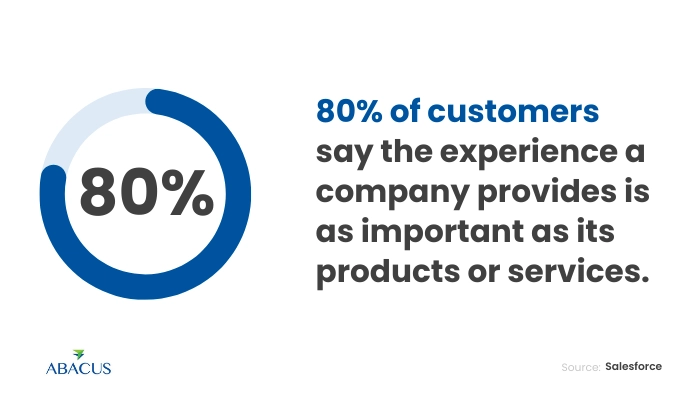
According to Salesforce’s State of the Connected Customer (2024), 80% of customers say the experience a company provides is as important as its products or services. This shift places inbound customer service at the center of competitive differentiation.
Why Inbound Customer Support Drives Business Value?
Inbound support has a unique advantage, the potential to impact customer satisfaction at the most crucial moments. Customer experience is focused on providing support, and when customers have a problem or need some clarity, it is this point of contact that will either build trust or shatter it.
A good inbound call center connects customers to trained agents who talk, understand, and address their problems effectively. It results in increased first contact resolution, fewer repeat inquiries, and greater customer trust.
According to a report by Zendesk (2023), 73% of consumers say that after several bad customer service experiences, they will switch to a competitor, which shows just how vital dependable inbound support is for retention.
How do inbound contact centers reduce customer wait times?
Inbound contact centers reduce customer wait times by using smart call routing and workforce management. Calls are automatically directed to the most appropriate available agent based on skills, language, or issue type, which prevents unnecessary transfers and speeds up resolution. Correct forecasting and scheduling also allow the appropriate number of agents to be present during peak hours.
They further leverage self-service and automation tools such as Interactive Voice Response (IVR), chatbots, and callback options. These quickly assist with basic questions or enable customers to retain their place in line without having to remain on hold, allowing agents to focus on more complex problems thereby shortening overall wait times.
Improved Customer Experience Through Consistency
One of the most neglected factors in customer service is consistency. Regardless of how or when your customers reach out, they want the same level of support. An inbound type of customer support center helps with a consistent process, consistent tone, and consistent resolution of behavior across every interaction.
Call recording, quality check and performance analysis make inbound support services improve their service monitoring too. It is essential as these tools allow businesses to continuously improve the performance of their agents along with identifying deep-rooted issues that recurrently arise, so we do not have to face a situation where a conversation and an issue subject become the peak of trouble.
That type of consistent approach is critical for businesses that are using competitive US markets. Inbound customer support USA models are designed to be in line with high service delivery practices, compliance, and customer communication standards.
Scalability Without Operational Strain
When companies grow, the number of inquiries from customers grows exponentially. Internal teams come up with the cost and hassle of hiring, training, and managing. Inbound contact centers address this critical problem by providing scalable capacity that expands in line with demand.
From seasonal high points to product rollouts or even unplanned growth spurts, inbound contact center services can rapidly scale up resources without any service level risk. This is to safeguard customer experience from wearing thin at times of high volume and demand.
Inbound centers are therefore being used more as a strategic solution rather than a stopgap, with 57% of businesses outsourcing customer support to better address scalability and flexibility, according to Deloitte’s Global Outsourcing Survey.
Operational Efficiency and Cost Control
Maintaining an in-house customer service team involves significant overhead salaries, infrastructure, technology, training, and management. By contrast, inbound contact centers operate optimized cost models that spread expenses across multiple clients.
This allows businesses to access skilled agents, advanced systems, and continuous support at a predictable cost. Importantly, cost efficiency does not mean lower quality. Most professional inbound centers invest heavily in training, process optimization, and performance measurement.
Research from IBM shows that companies using outsourced support models can reduce service-related operating costs by up to 40% while maintaining or improving service quality.
Technology-Enabled Inbound Support
Inbound customer service technology is marketing at work. Smart routing pairs customers to the right agents to ensure their needs are met, and CRM integration gives agents full context before they reply.
Response time, resolution rates, customer sentiment, and other metrics are tracked by advanced analytics. This helps businesses in fine-tuning the service strategies and also to be proactive in avoiding customer pain points.
The modern-day inbound contact center services hold true in this regard with an AI/ML enabled environment ensuring up to 25% more agent productivity for customer service operations as found by Gartner.
When Businesses Benefit Most from Inbound Support?
The majority of the modern businesses experience the maximum benefit of inbound customer support when they go through:
- Rapid growth in customer inquiries
- Increased service complexity
- Expectations for response time and accuracy are sky-high
- Building customer retention and loyalty
These situations illustrate why inbound support is frequently one of the earliest functions that firms move to professionalism.
Inbound Contact Centers vs Internal Support Teams
Aspect | Internal Support Team | Inbound Contact Center |
Scalability | Limited | Highly flexible |
Cost Structure | Fixed overhead | Predictable, usage-based |
Technology | Basic tools | Advanced CX platforms |
Availability | Limited hours | Extended or 24/7 |
Quality Control | Manual | Data-driven |
This comparison illustrates the reason most of the organizations moving from outboard to inbound contact center services as they grow.
Why US Businesses Prefer dedicated Inbound Support?
American customers expect quick, straightforward, and professional interaction. Consistent achievement of these expectations necessitates structured support models. That is the reason, a lot of organizations go for inbound customer support through specific suppliers for US organizations.

The combination of cultural alignment, fluency in local language, and operational excellence makes these models portray customer interactions in line with local expectations while ensuring the global value chain is efficient.
Elevate Customer Experience with Abacus Outsourcing?
When combined with the outsourcing services offered by Abacus, it works wonders in enhancing the customer’s experience.
Inbound customer support is the new must-have for businesses today; it lays the foundations for building trust, retaining customers, and ultimately driving long-term growth. Inbound contact centers allow businesses to grow without compromising experience, from high volumes of inquiries to tech-powered consistency in service.
The Abacus BPO customer support solutions also cater specially for organizations growing within niches, especially those operating in the US markets. Abacus Outsourcing transforms every inbound engagement point into lasting relationships with well-trained teams, state-of-the-art infrastructure, and a customer-first approach.
The best way to boost customer satisfaction and scale support without a hitch at the same time is to team up with Abacus Outsourcing, so every interaction with customers turns into the brand’s competitive edge.
FAQ’s
What services do inbound contact centers provide?
Inbound contact centers process customer requests like support tickets, order processing, billing inquiries, sales questions, technical advice, and complaints via phone, chat, email, and more.
Can inbound contact centers work 24/7?
A lot of inbound contact centers are 24/7, which means they are probably open 24 hours a day so that they can help customers – even if they are in different time zones – whenever help is necessary.
How do inbound contact centers manage high call volumes?
With high call volumes, they rely on call routing, workforce scheduling, and self-service options including IVR and chatbots, and scale staff during peak hours to keep service levels consistent.