

How To Call on No Caller ID: The Guide for 2026
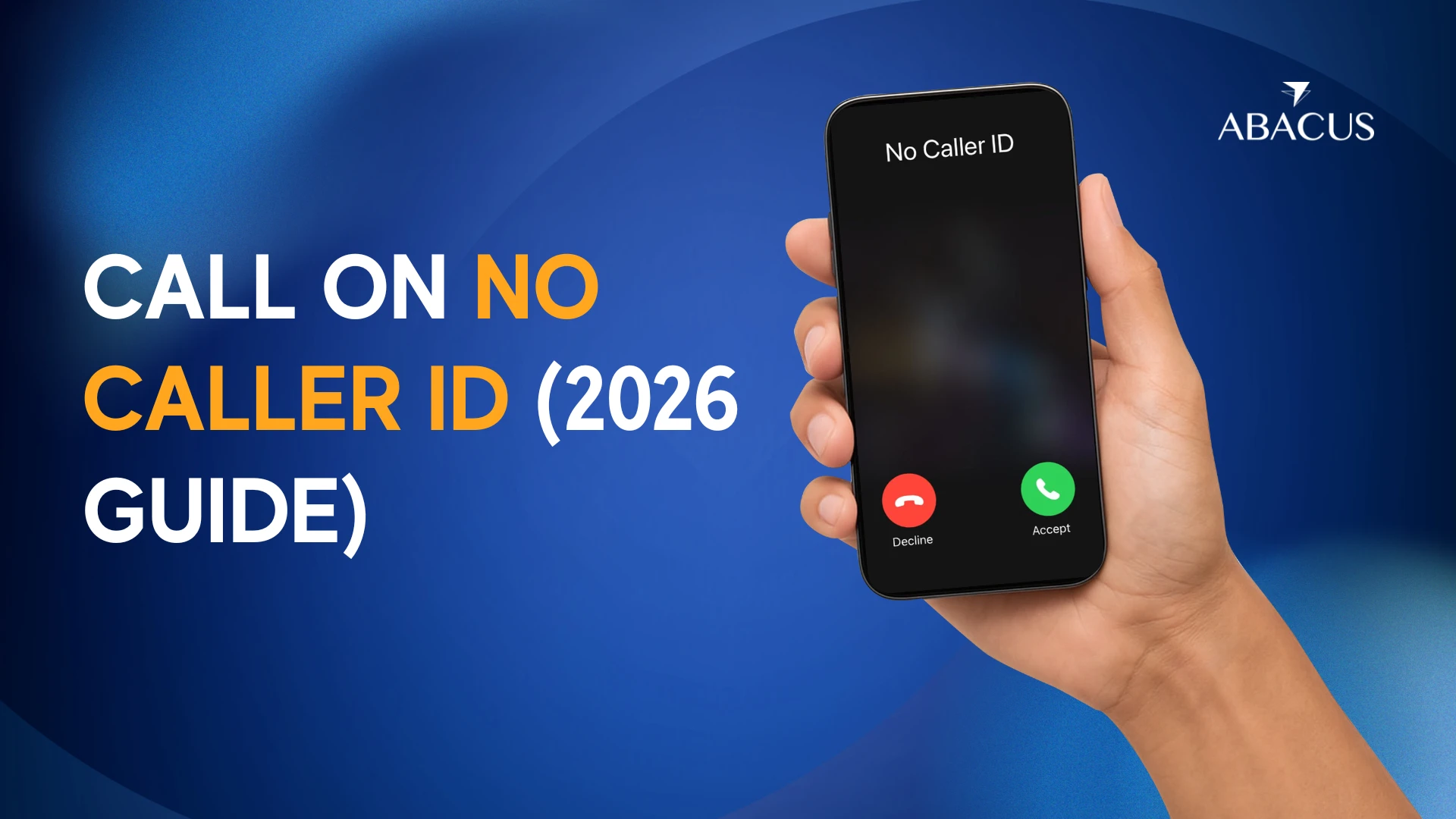
Most of us have been there your phone buzzes or rings, the screen lights up, and all you see is “No Caller ID” or “Private Number.” You hesitate. Should you answer? Can you call me back? How can you contact someone who intentionally hides their number? In an age of privacy concerns and rising spam calls, understanding how no caller ID works, and how to interact with it can be both empowering and practical.
In this comprehensive guide, you’ll learn what “No Caller ID” really means, whether you can call back those numbers, safe strategies for handling them, technical methods for responding, legal considerations, and why this matters in our connected world. You’ll also find helpful statistics backed by research and real-world examples.
What “No Caller ID” Actually Means?
If a call appears as “No Caller ID,” “Private Number,” or “Unknown Caller,” it indicates that the person you are on the line with intentionally concealed their phone number from appearing on your mobile device. This contrasts with “Unknown Caller,” which could be the result of technical error or a limit of that network without any number of intentional masking.
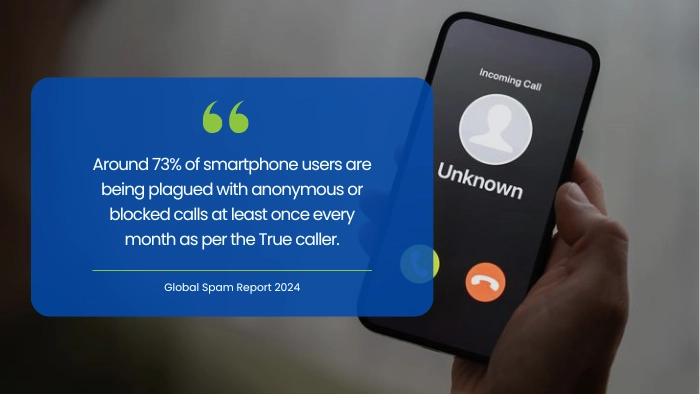
Hidden caller ID only serves people and organizations differently. Others do so to preserve privacy (a doctor or a recruiter calling a candidate, for instance). Some use it to escape spam filters or call blocking tools. But if it is repetitive or if it persists, it is a big alert for automated spam or scam calls.
Can You Call Back a No Caller ID Number?
So, the short answer is not direct, I would say, in most cases.
Your phone does not save it in your call history because the caller has chosen to hide their number, so you typically cannot tap and redial like you would with a normal number. The whole point of hiding a caller ID is that you cannot identify or return it without going through extra measures.
Having said that, there are few methods that could possibly help you with landing the individual or gathering more information about the call depending on context and jurisdiction, and we will be discussing those methods later in the article.
Why People Use No Caller ID – Legitimate and Otherwise
There are perfectly good reasons to mask your number. These include:
- Professionals who call regarding sensitive issues (e.g., health care or security)
- Parents: Saving their number when they call school admins
- Of course, there are businesses who freely established outbound calls without exposing the extensions.
- Professional whistleblowers or anonymous contacts
But this same feature can be (and is often) exploited by:
- Spammers hoping to skirt call screening
- Automated robocall systems
- Scammers attempting to avoid detection
- Harassers seeking anonymity
This two-faced nature then makes it complicated since you cannot treat every single No Caller ID call as not good; you cannot be wary of every No Caller ID call as well.
How Caller ID Works (The Technical Side)
Caller ID is a telephone service that allows digitally to send calling numbers ahead of answer. When someone makes a call from a line with caller ID working, their phone will send your device information about that number and many times the name that goes along with it.
On the other side of the coin, if someone is hiding their caller ID whether they be a business with those features built into their device or someone who just set it on their phone then that identifying data is not transmitted. When number, you see a message to your screen or like “No Caller ID” or “PRIVATE NUMBER“. Most of the newer telephone networks support this as a feature in the interests of privacy – this is an example of the refusal to transmit the number.
Methods People Use To Call With No Caller ID
The feature that allows others to call you via No Caller ID works similarly to the way you are preventing your number from showing up to another person when calling.
To block your number so that only the other number can see that you are calling, you can generally:
- Dial a privacy code like 67 before the phone number you’re calling, in many North American systems this causes your call to show as “Blocked” or “Private.” This must be dialed each time unless you adjust carrier settings. Quora
- Change caller ID settings in your device settings by disabling “Show My Caller ID” (iPhone or Android). Lifewire
- Use carrier services that conceal your identity by default, often for an additional fee. Alibaba
If you want to call someone without revealing your number, these tricks may come in handy, but they don’t help you to call someone else who have hidden their number.
Can You Return a No Caller ID Call? A Practical Truth
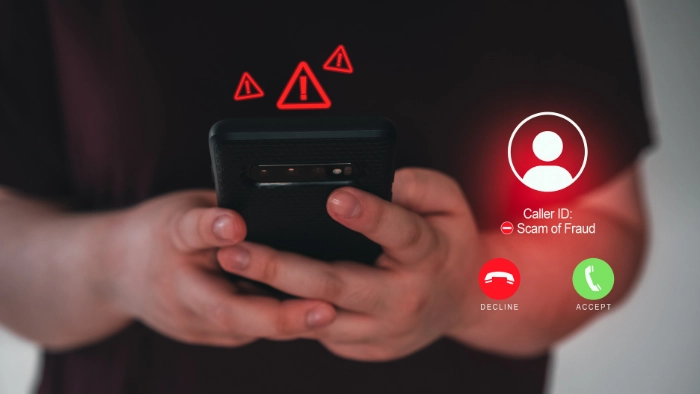
If someone called you with a hidden number, your phone doesn’t know what number to dial back.
This means that:
- You cannot usually dial back directly, even from your recent calls list.
- Your carrier may have the actual number on record, but they will not share it with you unless special procedures are followed, such as involving authorities or legal requirements. Avast
In some cases, services such as non-native call tracing (*57 for North America) can perform a call trace with your carrier- resulting in a log of the number with the provider and possible law enforcement – but you won’t get the number directly on your phone.
Enter another helper: certain apps (see TrapCall or Hiya) that will sometimes reveal a hidden number for you after you’ve received a call that was either rejected or routed through the app. Those services commonly forward calls through a dedicated number and then disclose the original ID post-call, but they often involve a subscription charge.
Why Caller ID Matters in Business and Personal Safety?
More than convenience, it is caller identification. It’s a way to protect it, a manner of communication.
In terms of safety, identifying callers could also help avoid fraud, phishing, and identity theft. It helps to return calls, customer follow-ups, and make professional communication in business scenarios. For contact centers that engage with customers, identifying the caller ahead of time expedites the support process and enhances the customer experience.
But privacy also matters. Many of those who work with clients or partners outside of corporate hours, would rather not make their personal numbers available, and there are some entities such as health care or law enforcement agencies that may block their numbers for privacy.
Striking the right balance between privacy and transparency is a subtle dance; it is as much about the people and context surrounding the technology as it is about the technology itself.
Conclusion
If your business needs smarter call handling, customer engagement systems, and communication solutions built for today’s privacy-aware networks, the right tools can make all the difference. Modern call management platforms deliver clarity, security, and professionalism ensuring every interaction is handled with confidence, whether the caller is identified or not.