


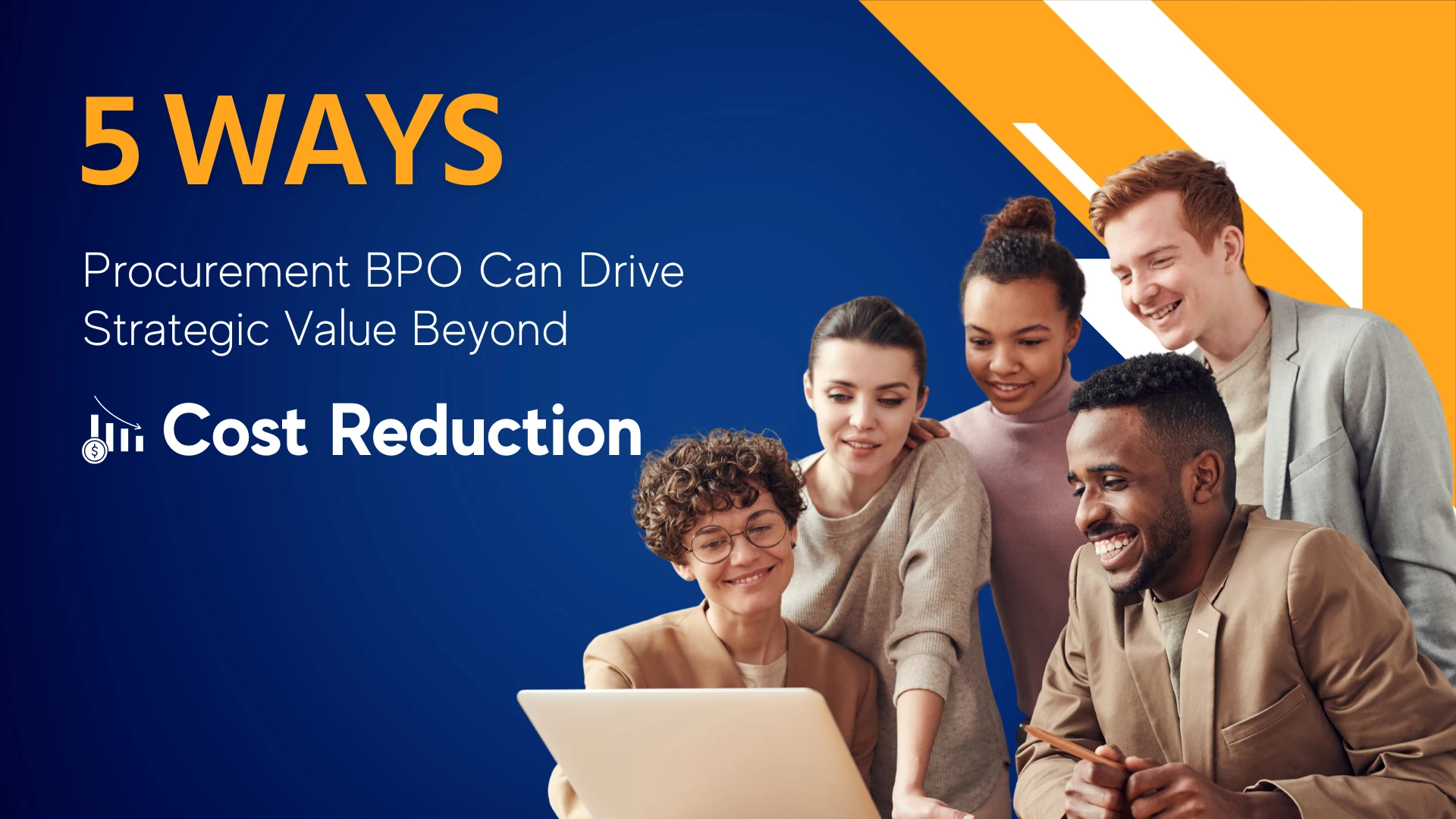
5 Ways Procurement BPO Can Drive Strategic Value Beyond Cost Reduction
When a mid-sized manufacturing firm in Europe struggled with supplier delays, compliance risks, and inconsistent purchasing practices across regions, its leadership assumed the problem was simply pricing. However, upon thorough investigation the root cause ran much deeper, spanning from a fractured procurement process, deficiency in spend visibility all the way to a reactive approach to sourcing. The company tapped into Procurement BPO not merely to bring down the costs, but also to introduce the methods, technology, and intelligence in making procurement decisions.
This is now a reality across industries. What was once regarded simply as purchasing has now become a strategic driver of resilience, supplier innovation, and sustainability. With organizations scaling, the complexity of supply chain relationships and spend governance is also growing. This is why procurement outsourcing services are finding a place at the core of transformation agendas across enterprises.
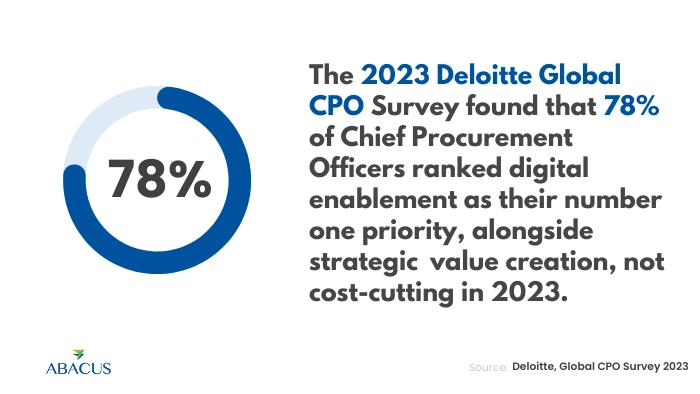
This is a fundamental change: Procurement BPO is no longer about savings; it is about strategy.
What Is Procurement BPO?
Procurement Business Process Outsourcing (BPO) is, Outsourcing part or all of the procurement cycle (sourcing; purchase orders; supplier onboarding; invoice processing; or spend analytics) to specialized partners. Such providers utilize digital technologies, category knowhow, and templated workflows to enable organizations to achieve increased effectiveness and better decision making on the source-to-pay BPO process,
This may include:
- Sourcing strategy BPO to assess and negotiate supplier agreements
- Procurement process automation to automate repetitive processes
- The aforementioned are examples of Dynamics-level capabilities that could be established further to indicate an industry efficiency or product excellence over the coming months or years.
- Analytics for spend management outsourcing with purchasing patterns and compliance
With BPO, procurement is no longer reactive; it is now proactive, digitized, and insight driven.
Why Companies Are Expanding Procurement BPO Usage
The shifting focus on operational resiliency, international supply chain diversification, digital adoption, and sustainability requires significantly more sophisticated procurement efforts than many internal teams will be capable of meeting on their own.
According to Gartner, organizations that use external procurement expertise can achieve up to 23% better supplier performance compliance and 37% lower sourcing cycle times than those that do not. Source: Gartner, Procurement Key Metrics Benchmark 2024
It’s not only about the financial performance uplift, but also about agility and competitive differentiation.
5 Ways Procurement BPO Drives Strategic Value Beyond Cost Reduction
1: Enables Data-Driven Spend Visibility
Countless enterprises suffer from siloed data trapped in ERP systems, spreadsheets, and localized buying choices. Procurement analytics within BPO centralizes spend data into one dashboard, revealing waste, rogue spending, and consolidation opportunities.
This enables better decision-making, effective contract negotiation and tracking compliance. Companies move from guess-based to evidence-based procurement with clearer insights.
2: Strengthens Supplier Relationship Management
In our supplier networks these days, partnerships count as much as pricing. When BPO is implemented, supplier relationship guidelines are monitored at different firm levels resulting in continuous supplier performance monitoring, defined communication structures, and joint improvement planning.
This lowers risks and enhances the quality, delivery flexibility of products, and innovation collaboration, especially in sectors such as manufacturing, retail, and healthcare.
3: Accelerates Procurement Process Automation
Modern BPO providers use procurement process automation, RPA, and AI tools to automate:
- Purchase order creation
- Vendor onboarding
- Contract renewals
- Invoice matching
According to a report from McKinsey, more than half, or 56% of all procurement activities can be automated with the technology we currently have in place. Image: McKinsey, The Future of Procurement, www.mckinsey.com
Which frees up internal procurement teams from administrative processes to concentrate on strategy and supplier partnerships.
4: Enhances Risk and Compliance Governance
Supply chains have become more vulnerable to geopolitical risk, ethical sourcing regulations, and third-party risk frameworks globally. One part of the procurement of BPO providers implements risk scoring models, compliance workflows, and audit trails into each step of the procurement lifecycle.
This is extremely useful for sectors managing regulated materials, ESG mandates, or international trade constraints.
Outcome: minimized disruptions, reduced penalties, and better governance.
5: Drives Procurement Transformation at Scale
It demands redesigned workflows, retraining, digital tools, and more optimization. The internal bandwidth available to many companies to execute these changes is non-existent. BPO partners offer procurement transformation services with systematic transformation of road maps, capability development, and operating model re-design.
It propels procurement in their transition from a tactical function to a strategic business partner.
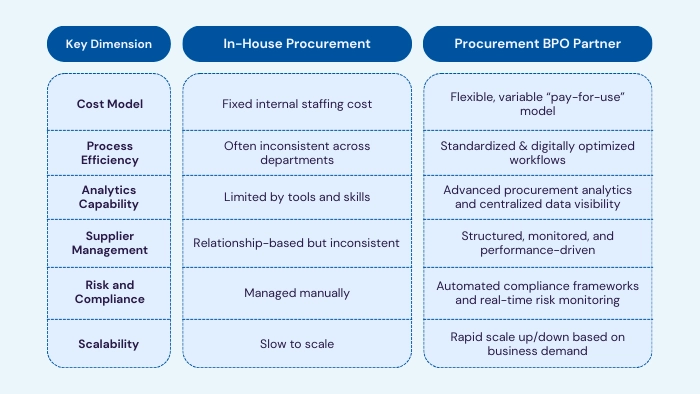
Comparison Table: Internal Procurement vs. Procurement BPO
Best Practices for Implementing Procurement BPO
- Focus on transaction-heavy non-core activities to provide breathing room in planning.
- Bring KPIs and feedback on Ping from all of us in the spirit of continuous improvement, so a joint governance model.
- Integration of data across BPO platforms and internal procurement/ERP systems
- Establish transparency and collaboration standards early on; trust is the cornerstone of supplier performance.
Conclusion
With accelerated digital transformation, the question for growing businesses is not if they need procurement transformation anymore, but rather how to start adopting it as fast as possible. Abacus Procurement BPO services equip organizations with the analytics, process consistency, digital capabilities, and supplier governance to strategically the digital operates. Through collaboration with Abacus, these companies can implement smart decision-making, move faster, and foster deeper supplier connections, gaining resilience, value, and growth potential for the long haul.